Measure 4-249: Clatsop Care Center Health District Bond
On November 3, 2026, voters will consider Measure 4-249, which would authorize bonds to replace the district's current skilled nursing facility with a new building. Learn about the proposal, estimated property tax costs, and spending oversight.
Return Your Ballot by 8:00 p.m. on Tuesday, November 3
Ballots for the November 3, 2026 General Election are already in the hands of registered Clatsop County voters. Here is how to make sure your vote on Measure 4-249 is counted.
Use a Drop Box
Official 24-hour drop boxes are open across Clatsop County and close at exactly 8:00 p.m. on Election Day.
See all drop sitesMail It Back
Return postage is prepaid. Mailed ballots must be postmarked on or before Election Day, so mail early.
Voting instructionsTrack Your Ballot
Sign up for email or text alerts and confirm your ballot was received and accepted.
Track at OregonVotes.govOfficial Clatsop County Drop Boxes
Close 8:00 p.m., Nov. 3Clatsop County Clerk & Elections Office
820 Exchange St, Suite 220, Astoria
Cannon Beach City Hall
163 E Gower Ave, Cannon Beach
Gearhart City Hall
698 Pacific Way, Gearhart
Seaside City Hall
989 Broadway St, Seaside
Warrenton City Hall
225 S Main Ave, Warrenton
Knappa High School
41535 Old Hwy 30, Knappa
Jewell School
83874 Hwy 103, Jewell
Paid for by Clatsop Care Center Health District. This information is provided for informational purposes only.
Endorsements
Community Supporters
Measure 4-249 is supported by local leaders and organizations who believe in keeping skilled nursing care close to home.

Columbia Memorial Hospital
Community Health Partner
Astoria-Warrenton Chamber of Commerce
Local Business Association

Willis Van Dusen
Former Mayor of Astoria

Sean Fitzpatrick
Mayor of Astoria

Blair Henningsgaard
Attorney at Law

Mark Kujala
Clatsop County Commissioner, Chairperson
Lauren Matthews
Real Estate Broker
Titles of offices are shown for identification purposes only.
Who We Are
Community-owned care since 1979
Clatsop Care Center Health District (CCCHD) has been providing Clatsop County with exceptional senior care for over 40 years, founded in 1979. With a graduated care approach, CCCHD offers In-Home Services, Memory Care, Assisted Living, and Skilled Nursing to meet the specific needs of each individual. As a not-for-profit public health district, our mission is to serve the needs of our community first — and we are the only skilled nursing facility in Clatsop County, with the nearest alternative approximately 43 miles away in Wheeler, Oregon.
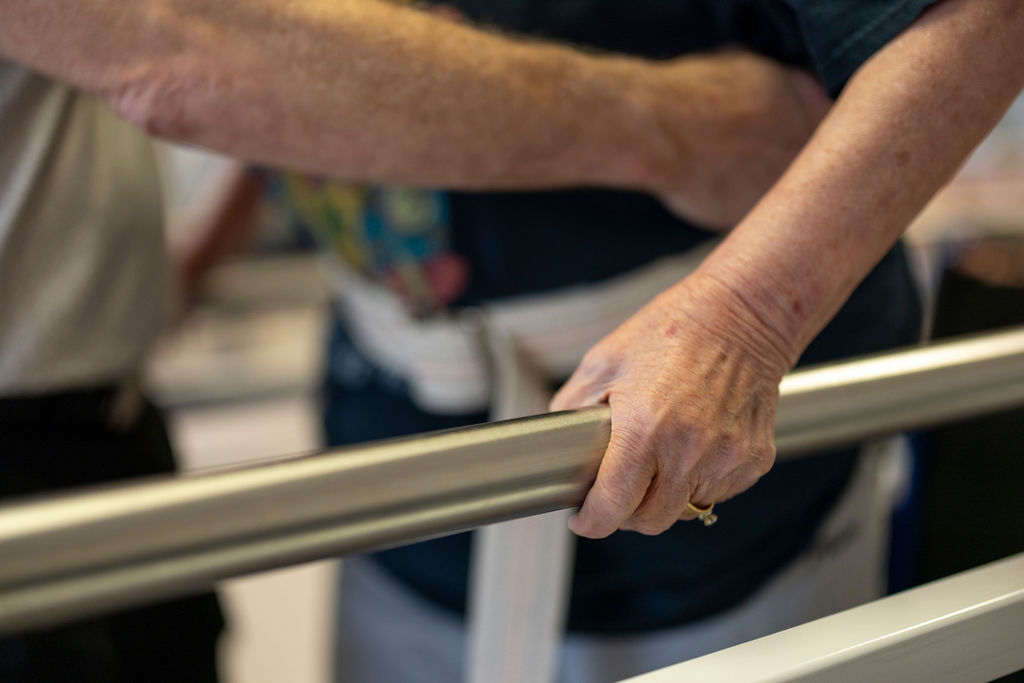
Close to Home
Why This Matters for the North Coast
Learn why a new, purpose-built skilled nursing facility protects affordable healthcare for our community.
Press play to watch the 30-second overview
The Challenge
The current building has real limitations
Today the facility serves 38 residents. Because of the efforts of our talented care staff and maintenance team, residents and families don't always notice the hard work that goes into maintaining and staffing the current facility — but its age and original design create real, ongoing demands.
Opened in 1926
Cared for generations of residents — never designed for today's skilled nursing care.
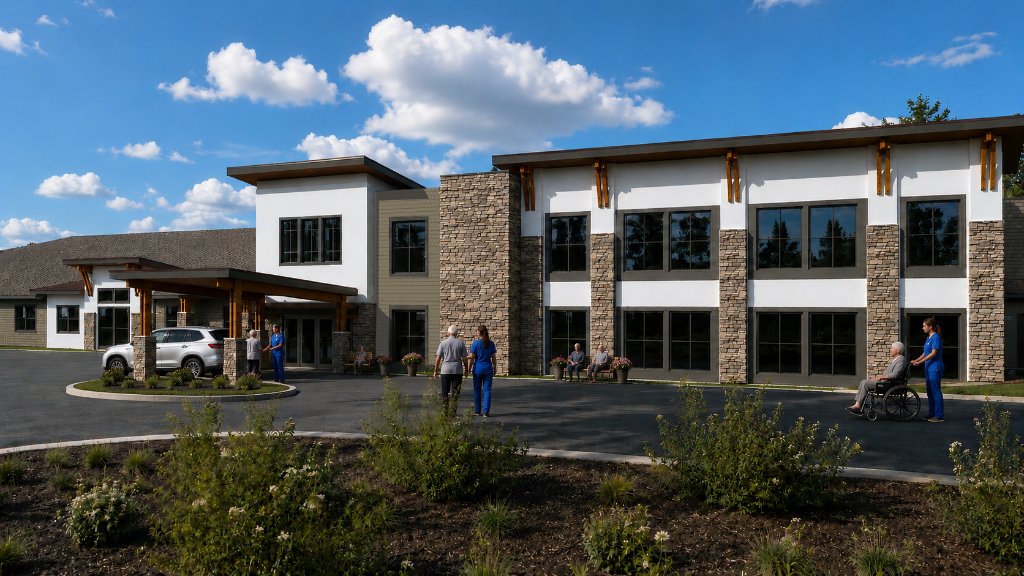
The Solution
A new, purpose-built facility
Built on land the district already owns, adjacent to the existing assisted living campus. Purpose-built for skilled nursing — modern, safe, and efficient.
The Current Facility
646 16th Street, Astoria
Caring for generations of Clatsop County residents since 1926.
What's on the Ballot
November 2026 General Obligation Bond
A general obligation bond is the standard tool used across Oregon for schools, fire stations, libraries, and health facilities. Bond funds are repaid through property taxes over time and are legally restricted to the voter-approved capital project.
Measure 4-249 at a Glance
Measure Number
4-249
Election Date
November 3, 2026
Bond Authorization
Up to $34 million
Purpose
A new skilled nursing facility replacing the current building, which opened in 1926
Proposed Location
District-owned land on Olney Street, next to Clatsop Retirement Village
During Construction
Residents would remain in the existing facility — no displacement
Oversight
A citizen oversight committee would review bond spending
Estimated Tax Costs
What It Would Cost Property Owners
The figures below are estimates based on the district's current approved financial information. Actual amounts may differ based on interest rates, assessed value changes, and final bond terms.
Example: $300,000 Assessed Value
For a property with an assessed value of $300,000, the estimated annual bond tax would be:
This is an estimate of the full bond tax. The estimated net increase to what property owners pay would be lower, because the existing operating levy would be retired early (see below).
Assessed Value vs. Market Value
Property taxes are based on assessed value, not market value. Assessed value is set by the county assessor and is typically lower than the real estate market value of a property. The bond rate applies to assessed value.
Operating Levy Sunset
The district currently levies a separate operating levy for day-to-day maintenance and operations. If the bond measure passes, the board has voted to sunset the existing operating levy one year early, which would offset a portion of the new bond tax.
Full Bond Tax vs. Estimated Net Increase
The full bond tax is the estimated $0.3746 per $1,000 of assessed value. The estimated net increase is what property owners would actually pay on top of what they pay today — which is lower, because the existing operating levy would be retired early.
The district has not published a single combined net-increase figure. Property owners can estimate their net change by subtracting the current operating levy rate from the estimated bond rate. Contact the district for the current operating levy rate applied to your property.
Estimates are based on current approved district financial information and are subject to change.
Project Timeline
From ballot to opening day
Residents stay in the current building during construction — no displacement required.
Bond Election
Voters decide on the bond measure.
Construction Begins
Preliminary work starts in March 2027; foundation work by June 2027.
New Facility Opens
New facility opens for residents.
Accountability & Oversight
Built on transparency and public trust
Legally Restricted Funds
Bond funds are restricted by law to voter-approved purposes only. They cannot be redirected to other uses.
Citizen Oversight Committee
An independent committee would review spending and ensure bond proceeds are used only for voter-approved purposes.
Public Reporting
As a public entity, the district is subject to public reporting requirements and community oversight.
What if the bond doesn't pass?
The need doesn't go away — it just gets more expensive. Maintenance costs continue to rise, safety challenges persist, and construction costs increase with each year of delay.
FAQ
Frequently Asked Questions
Have more questions? Email info@careforclatsop.org, visit clatsopcare.org, or contact us to have a representative speak to your group.
Key Questions About Measure 4-249
Measure 4-249 is a general obligation bond measure for the Clatsop Care Center Health District on the November 3, 2026 general election ballot. It seeks approval for CCCHD to issue up to $34 million in principal amount of general obligation bonds to fund a new skilled nursing facility.
Proceeds of the bonds would finance capital costs to provide a new skilled nursing facility and related improvements. The new facility is expected to: expand affordable healthcare on the North Coast, including short- and long-term care covered by Medicare and Medicaid; improve health outcomes by helping patients stay close to home, rather than being placed at a facility in another county; increase resident safety in case of emergency, regardless of mobility; and reduce operating costs and improve efficiency.
Renovating the current facility to meet today's building and seismic codes would be extremely expensive — and replicating the benefits of a new facility (all residents on the ground floor, modern kitchen and dining, earthquake standards) may not be possible without largely rebuilding the structure. The current building opened in 1926 and its age and original design create real, ongoing maintenance demands. A new, purpose-built facility allows care to be organized entirely on the ground floor, with modern systems designed for today's standard of skilled nursing care.
On Olney Street in Astoria, on land already owned by the District. The site is adjacent to the District's existing assisted living building (Clatsop Retirement Village).
Clatsop Care Center Health District (CCCHD) has been providing Clatsop County with exceptional senior care for over 40 years, founded in 1979. It is the only skilled nursing facility in Clatsop County, with the nearest comparable alternative approximately 43 miles away in Wheeler, Oregon. CCCHD offers In-Home Services, Memory Care, Assisted Living, and Skilled Nursing to meet the specific needs of each individual. As a not-for-profit public health district, its mission is to serve the needs of the community first.
The estimated annual bond tax rate is $0.3746 per $1,000 of assessed property value. For example, a property with an assessed value of $300,000 would pay approximately $112.38 per year in bond tax. Actual levy rate may differ due to final interest rates and/or changes in assessed value. This is the full bond tax; the estimated net increase would be lower because the existing operating levy would be retired early.
The District has an existing operational levy, which is separate from this bond. The operational levy funds day-to-day maintenance and operations. The bond is one-time capital funding, specifically to construct the new skilled nursing facility. The two are not interchangeable. If the bond measure passes, the District's board has voted to sunset the existing operational levy one year early. This means the estimated net increase to what property owners pay would be lower than the full bond tax rate, because the operating levy would be retired early.
The new facility is being built on a separate site (Olney Street), not on the current skilled nursing site (16th Street). Residents will continue to receive care in the current building throughout construction. There is no displacement during construction.
A citizen oversight committee would review spending and ensure bond proceeds are used only for the purposes approved by voters. Bond funds are legally restricted — money raised through the bond can only be used for the capital purposes voters approve. The board is elected, so the people responsible for the district's decisions are accountable to the community they serve. As a public entity, the district is also subject to the financial oversight and reporting requirements that apply to Oregon public bodies.
Once residents and operations have moved to the new facility, the board of directors will make decisions about the future of the current 16th Street building, in consultation with the community. No decision has been made yet; the focus right now is on the new facility. The future of the 16th Street building will be a board-level decision made after the transition is complete.
About the District
Clatsop Care Center Health District (CCCHD) has been providing Clatsop County with exceptional senior care for over 40 years (founded in 1979). With a graduated care approach, CCCHD offers In-Home Services, Memory Care, Assisted Living, and Skilled Nursing to meet the specific needs of each individual. As a not-for-profit organization, our mission is to serve the needs of our community first.
The district operates four service lines: Skilled Nursing — 24/7 nursing care for residents with complex medical needs (the current facility serves 38 residents); Memory Care — specialized care for residents living with Alzheimer's and other forms of dementia; Assisted Living / Retirement Village — supportive daily living for seniors who need some help but not full-time nursing; In-Home Services — care delivered directly to people in their own homes.
CCCHD is a public health district — a governmental entity, not a private company and not run for profit. It is governed by a board of directors.
The nearest comparable skilled nursing facility is approximately 43 miles away, in Wheeler, Oregon.
About the Current Skilled Nursing Facility
646 16th Street, Astoria, OR 97103.
The current facility opened in 1926 and cared for generations of residents. Today it operates 24/7 as Clatsop Care Center, providing skilled nursing, rehabilitation, and long-term care.
Because of the efforts of our talented care staff and maintenance team, residents and families don't always notice the hard work that goes into maintaining and staffing the current facility to provide high-quality skilled nursing care. The building is a four-story structure and it operates today under existing-use provisions. It has limited temperature control for resident comfort, and its age and original design create real, ongoing maintenance demands. A new, purpose-built facility allows care to be organized entirely on the ground floor, with modern systems designed for today's standard of skilled nursing care, and it would sit on land the District already owns.
About the New Facility
On Olney Street in Astoria, on land already owned by the District. The site is adjacent to the District's existing assisted living building.
The new skilled nursing facility is designed with all resident rooms and care areas on the ground floor — no upper-floor living for residents. It is being designed with modern heating, cooling, and ventilation systems; safe, straightforward evacuation routes for all residents, including those who are non-ambulatory; and comfortable common spaces where residents can spend time with family and each other.
No. The new Olney Street building is skilled nursing only. The District's other service lines — In-Home Services, Memory Care, and Assisted Living — continue to operate as they do today; this bond funds the new skilled nursing facility specifically.
The new facility is designed for 44 residents — an increase from the 38 residents served at the current facility today.
Yes. The new facility will include 45 parking spaces.
Co-locating the new skilled nursing facility with the District's existing assisted living building is estimated to create meaningful savings through shared maintenance and operational efficiencies — approximately $200,000 to $300,000 per year. Actual savings may vary.
About the Bond Measure
A general obligation bond measure for the Clatsop Care Center Health District will appear on the November 3, 2026 general election ballot. The measure seeks approval for CCCHD to issue up to $34 million in principal amount of general obligation bonds.
A general obligation bond is a way for a public entity to borrow money for a specific capital project — like building a new facility — and repay it over time through property taxes within the district. It is one of the more common tools used by public entities in Oregon to fund capital projects such as schools, fire stations, libraries, and health facilities.
Proceeds of the bonds would finance capital costs to provide a new skilled nursing facility and related improvements. The new facility is expected to: expand affordable healthcare on the North Coast, including short- and long-term care covered by Medicare and Medicaid; improve health outcomes by helping patients stay close to home, rather than being placed at a facility in another county; increase resident safety in case of emergency, regardless of mobility; and reduce operating costs and improve efficiency.
The bond amount is up to $34 million. Bonds may be issued in multiple series, each maturing within 30 years from issuance.
Yes. A citizen oversight committee would ensure bond proceeds are used only for the purposes approved by voters. By law, general obligation bond funds can only be used for the voter-approved capital purposes described in the ballot measure.
Yes — the District has an existing operational levy, which is separate from this bond. The operational levy funds day-to-day maintenance and operations. The bond is one-time capital funding, specifically to construct the new skilled nursing facility. The two are not interchangeable. If the bond measure passes, the District's board has voted to sunset the existing operational levy one year early.
Financial Questions
The estimated annual bond tax rate is $0.3746 per $1,000 of assessed property value. Actual levy rate may differ due to final interest rates and/or changes in assessed value.
Yes. By co-locating the new skilled nursing facility next to the existing assisted living building, the District estimates it will save approximately $200,000 to $300,000 per year through shared maintenance and operational efficiencies. This figure is an estimate; actual savings may vary.
Yes. The project would use competitive bidding with prevailing wages.
Construction & Timeline
If the bond passes in November 2026, preliminary work is expected to begin in March 2027, with foundation work beginning by June 2027. (Timeline per the District's background planning materials; subject to updates as the project is finalized.)
Completion is targeted for late 2028.
The new facility is being built on a separate site (Olney Street), not on the current skilled nursing site (16th Street). Residents will continue to receive care in the current building throughout construction. There is no displacement during construction.
Yes. The Olney Street site requires specialized deep soil cement mixing to address subsurface soil conditions, and wetland permits are required as part of the project. These factors have been considered in the District's project planning.
What Happens to the Current Building?
Once residents and operations have moved to the new facility, the board of directors will make decisions about the future of the current building, in consultation with the community.
No. The focus right now is on the new facility. The future of the 16th Street building will be a board-level decision made after the transition is complete.
Accountability & Oversight
The Clatsop Care Center Health District is a governmental entity. That means: a citizen oversight committee would review spending and ensure bond proceeds are used only for the purposes approved by voters; bond funds are legally restricted — money raised through the bond can only be used for the capital purposes voters approve; and the board is elected — the people responsible for the district's decisions are accountable to the community they serve.
No. General obligation bond funds are restricted to capital purposes — in this case, building the new facility and related improvements. Bond money cannot be used for day-to-day operating expenses.
As a public entity, the district is subject to the financial oversight and reporting requirements that apply to Oregon public bodies.
A Few Direct Questions
If the bond does not pass, the district would continue to operate the current facility.
Renovating the current facility to meet today's building and seismic codes would be extremely expensive — and replicating the benefits of a new facility (all residents on the ground floor, modern kitchen and dining, earthquake standards) may not be possible without largely rebuilding the structure.
We will be elevating the new building to the same height as the existing assisted living facility, which will take it out of the tsunami zone. The elevations on the site as it stands now are below the tsunami zone line, but once the building is elevated it will be above the line. Evacuation routes will be the same as the existing facility and evacuation plans will also be synced. There is a small portion of the site which is in the flood plain (about four feet up from the river bank). We are currently preparing a flood zone application, which includes an environmental impact assessment, for that narrow strip that falls within the flood plain. We have had a couple of pre-application meetings with the City and are anticipating their approval of the flood plain application. There will not be any construction in the flood plain section.
Architectural Drawings
Facility Site Plans
Preliminary drawings prepared by Lenity Architecture, Inc.
Learn More
Download Information Materials
Review the full details of the bond measure, the facility, and the financial information.
Community Fact Sheet
A two-page overview of the district, the current facility, the new facility, financial information, and the project timeline.
Bond Measure One-Pager
A single-page summary of the bond measure, the three key messages, and what the new facility would mean for the North Coast.
Bond FAQ
Detailed answers to frequently asked questions about the district, the current facility, the bond measure, finances, and accountability.
Bond Measure 101 Slide Deck
A 19-slide community presentation covering who CCCHD is, why build new, what's on the ballot, cost to taxpayers, and accountability.
These materials are provided for informational purposes only and do not constitute advocacy for or against any ballot measure.